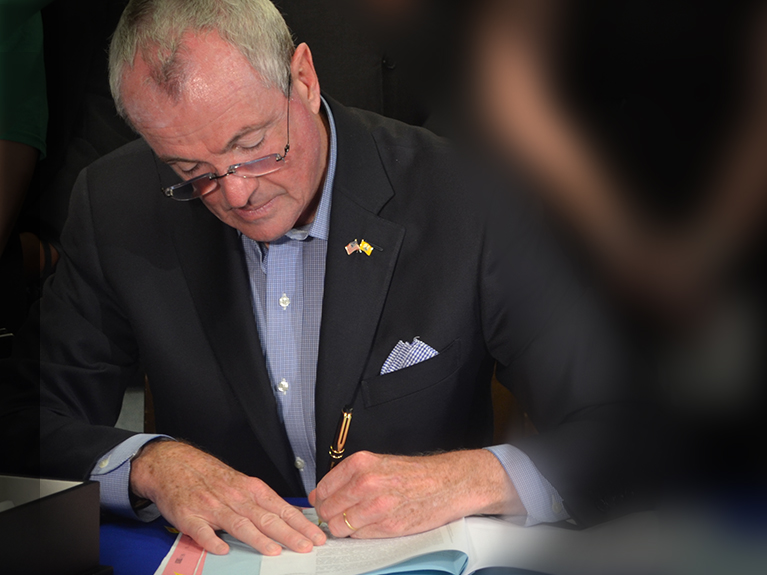
 New Jersey Governor Phil Murphy signed AB 5225 into law on December 21, 2023, requiring the development of a palliative care services benefit aimed to improve the quality of life for Medicaid beneficiaries with serious illness and their caregivers. The benefit will give access to needed ongoing assistance by an interdisciplinary team, including management and support for pain and other issues related to a serious illness, and to necessary care coordination and navigation services by specialists.
This legislative victory, championed by Assemblywomen Angela McKnight (D-District 31), Shanique Speight (D-District 29), and Carol Murphy (D-District 7), as well as senators Richard Codey (D) and Nellie Pou (D), comes less than a year after its February 2023 introduction into the state legislature, signaling a broad range of support for the benefit across the state. The benefit not only defines the services associated with specialty palliative care services but also identifies the types of providers able to deliver such a benefit. The benefit is intended to be delivered at the same time as seeking treatment with the goal of improving quality of life while reducing unnecessary inpatient stays and emergency room visits.
“I applaud the bill’s sponsors for working to make a community-based palliative care benefit available to New Jersey’s roughly two million Medicaid beneficiaries,” said Governor Murphy. “There is far more to caring for individuals with serious illnesses than curative treatment, and this bill will create the opportunity for more community-based, quality-of-life-centered options for patients and their families dealing with an immeasurably painful experience. Adding coverage for palliative care reflects the value our state places in patient choice, emphasizes autonomy around end-of-life treatment, and recognizes that no person should be defined by their illness.”
The success of the New Jersey bill is part of a movement on the part of state Medicaid and legislative leaders to respond to the needs of the growing number of dual eligible beneficiaries and people under 65 with serious illness. Several state Medicaid agencies have either implemented or advanced palliative care benefits through state legislation or administrative provisions, including California, Hawai’i, Oregon, Maine, Colorado, Washington, Ohio, Maryland, and Texas. New Jersey intends to seek federal approval for the benefit enacted by AB 5225.
The bill was signed by the governor after a conditional veto was issued, amending the bill to include a provision that the New Jersey Department of Human Services (NJDHS) have two years to study, design, and implement the benefit. Furthermore, Governor Murphy emphasized that the goal for implementation will be “to optimize reach while protecting state financial resources.” Next steps in this process will be for the NJDHS to, “carefully study the current palliative care landscape and engage thoughtfully with our communities.” This research and stakeholder engagement is a critical part of the benefit design process for state Medicaid agencies to ensure equity, access, quality, and financial sustainability for the benefit and Medicaid program in the future. While the benefit has the potential to improve quality of life for seriously ill beneficiaries and their caregivers while also reducing costs associated with unnecessary and duplicative services being delivered to people with serious illness today, the NJDHS will need to ensure that the benefit can be accessible to all New Jerseyans statewide and can be feasibly implemented by specialty palliative care teams.
Successful implementation of a statewide palliative care benefit will require the participation and input from healthcare organizations and community stakeholders in the design process. The NJDHS will work collaboratively with Goals of Care Coalition New Jersey and other organizations across the state to collect this information, gain stakeholder input, and develop the benefit over the next two years.