Highlights from the State Coalition and Faith Community CTAC-CAPC Pre-Conference Session
Marisette Hasan VSN RN, VP Community Action & Policy, CTAC
Stacie Sinclair, MPP, Associate Director, Policy and Care Transformation, CAPC
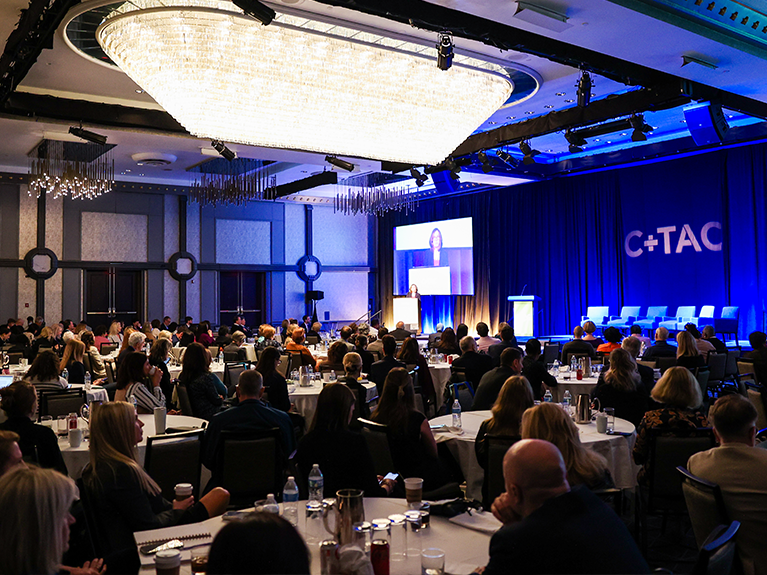
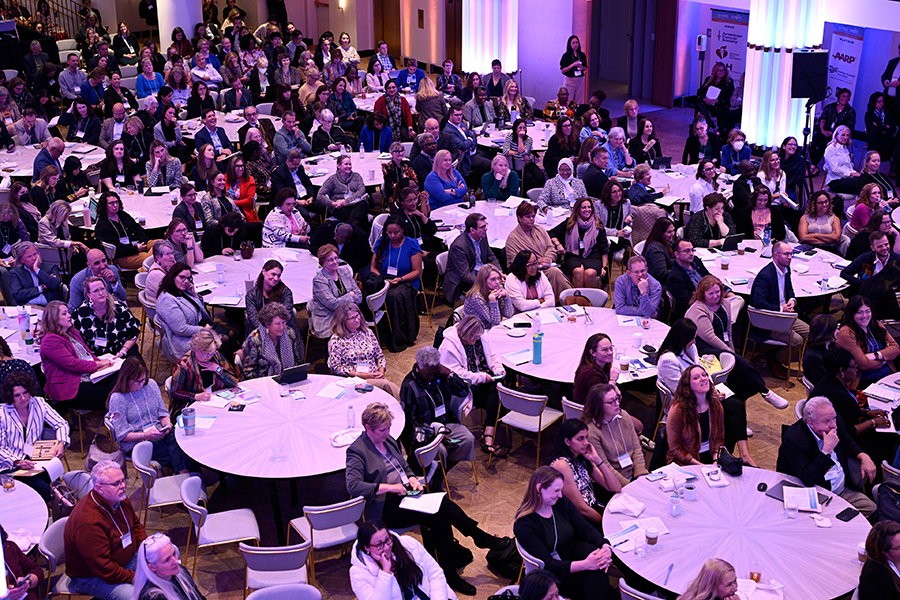
 The CTAC-CAPC Leadership Summit, for the very first time, convened more than 450+ policy advocates, serious illness care health professionals, community faith leaders, legislators, and national health care government leaders to unite our efforts around equitable quality care delivery for patients, support for non-paid caregivers and workforce innovations. Our CTAC-CAPC Pre-Conference session with our State Coalition Workgroup members and Faith Community Partners inspired and motivated our participants to think strategically and broadly regarding the positive impact we can make in increasing access to our vulnerable communities. This impact is possible through collaborating with credible, experienced influencers in our faith communities who are “in the trenches” providing holistic care.
Three of these such “grass roots influential faith leaders” shared with us their experiences and community impact. These amazing individuals are as follows, Rev. Dr. Jamesetta Ferguson – St. Peter’s United Church of Christ & Director of Molo Village; Louisville, KY; Cassandra Gray – Creative Spirits Behavioral Health; Shelbyville, KY and Rev. George Gilbert – Holy Trinity United Baptist Church, Center for Racial Justice, The DC Coalition to Support Caregivers (Ward 7); Washington, DC. Our faith leaders shared their stories and gave us the ingredients necessary for success in increasing equitable access and transforming our communities. These necessary ingredients (i.e., passion, vision, partnership, resources, and intentional action) open up opportunities for meaningful community engagement and collaboration to expand serious holistic illness care delivery. Our speakers underscored the need for support that is not solely focused on the community’s physical health care needs, but holistic care that recognizes the need for community healing and wholeness that encompasses interventions to help our communities transcend traumatic grief and loss. See the highlights of our pre-conference session below.
“Anything of significance that has happened in our communities – in our country – happened because faith community leaders were involved. When galvanized by the right leadership, we can transform movements. And serious illness is no different.”
Marisette Hasan, paraphrasing The Rev. George Gilbert
Session Highlights
This discussion focused on the importance of collaboration, particularly within the faith community, to address caregiving and community health issues. To start, the speakers emphasized that much of the work that coalitions – and really any leader in palliative care or serious illness – would like to see is already being done by faith communities. The Rev. Dr. Ferguson discussed hers and her church’s role in helping establish MOLO Village CDC, a grassroots initiative to create stability and wholeness in the Russell community in Louisville, KY. Within this historically underserved area, residents have created five “Villages” to address the physical, mental, educational, and financial needs of all community members across the lifespan. The Rev. Dr. especially highlighted the work of the Isiduko Village, which undergirds all of its senior wellness initiatives with a deep understanding of the trauma that many participants have endured – given them space to express their pain and heal. Similarly, Dr. Gray discussed her work in building legacies and a holistic approach to care. She highlighted the importance of bringing multiple supports around clients to help them heal, including housing, nutrition, mental health, home care, caregiving, etc.; and she noted that none of this happens without collaboration.
The challenge that these speakers noted is that many external projects to address health inequities in Black communities (often led by “experts” at wealthy hospitals/health systems) fail to recognize the excellent work already being done. Rather than directing resources to amplify solutions that are created by the faith and local community, for the community, project directors impose their value systems and models on participants. The Rev. Gilbert discussed the number of times his church was approached to do a health fair in which providers received grant funding and collected basic vitals – and then the community never heard from them again. No recommendations or facilitated access to care. No follow-up six months later to create any sort of continuity. No compensation for the community members who participated or the faith leaders who facilitated the event.
In light of these experiences, Rev. Gilbert has become very clear about the baseline for future partnerships: “You will understand that we are real people, with real issues. We expect you to share resources. We expect you to place permanent amenities in the community. We expect you to follow up. We will no longer allow you to use us.”
Taken together, this session highlighted the need to change the paradigm of how health centers and community partners, including churches, work together. All three speakers emphasized the depth of trauma, grief, and loss in their communities, and emphasized that partnerships were necessary to meet the needs – but that these partnerships needed to be built on accountability and trust. Furthermore, there was a need for potential partners, including the state coalitions in the room, to rethink their roles in these partnerships.
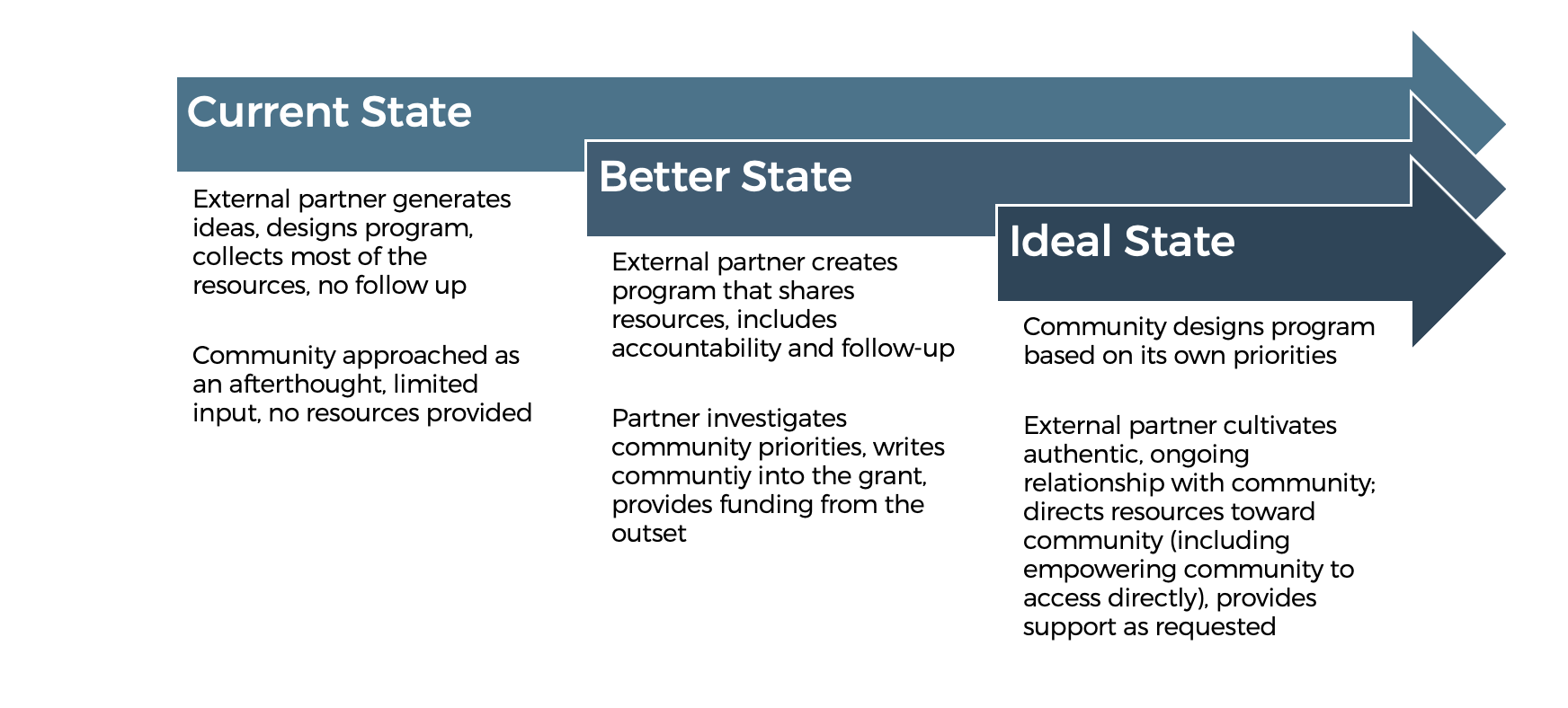
In summary, our robust and interactive conversation underscores the significance of community collaborations, particularly within the faith community, to address caregiving, health disparities, and mental health stigma. The need for data-driven approaches, outcomes measurement, and efficient resource allocation were emphasized as key components of successful community initiatives.
All CTAC members are invited to continue this discussion through our monthly State Coalition Workgroup sessions. For more information contact Marisette Hasan at mhasan@thectac.org.
All individuals can participate in the State Palliative Care Basecamp, membership to CAPC is not required. For more information contact Stacie Sinclair at stacie.sinclair@mssm.edu.